


The Ultimate 2026 Dishwasher Buying Guide
Is it time to upgrade your dishwasher? Then you’ve come to the right place! At Retravision we stock a huge range of dishwashers from some of the world's leading brands, including AEG, Asko, Beko, Bosch, Electrolux, Fisher & Paykel, Haier, LG, Miele, Neff, Omega, Smeg, Teco & Westinghouse. Plus, we’ve created this helpful dishwasher buying guide to help you find the perfect option amongst our range. Read on below for all the tips and advice you’ll need when shopping for the perfect dishwasher for your kitchen, lifestyle and budget.

Types of dishwashers
When picking out a new dishwasher, the first thing you’ll need to ask yourself is whether you’ll need a freestanding or built-in dishwasher. The right choice for you will likely depend on your kitchen layout, but you should also consider your lifestyle and style preferences.
Underbench Dishwashers
Underbench or built-in dishwashers are dishwashers that are designed to sit under your kitchen bench. They don’t necessarily require top and side panels, but you may find that you need to anchor yours into place to prevent it from tipping over.
Shop Our Range.jpg)
Top Underbench Dishwashers
Freestanding Dishwashers
As the name suggests, freestanding dishwashers are designed to sit apart from your benchtop - although most come with a removable worktop so that they can be fit into some cavity spaces if required.
Shop Our Range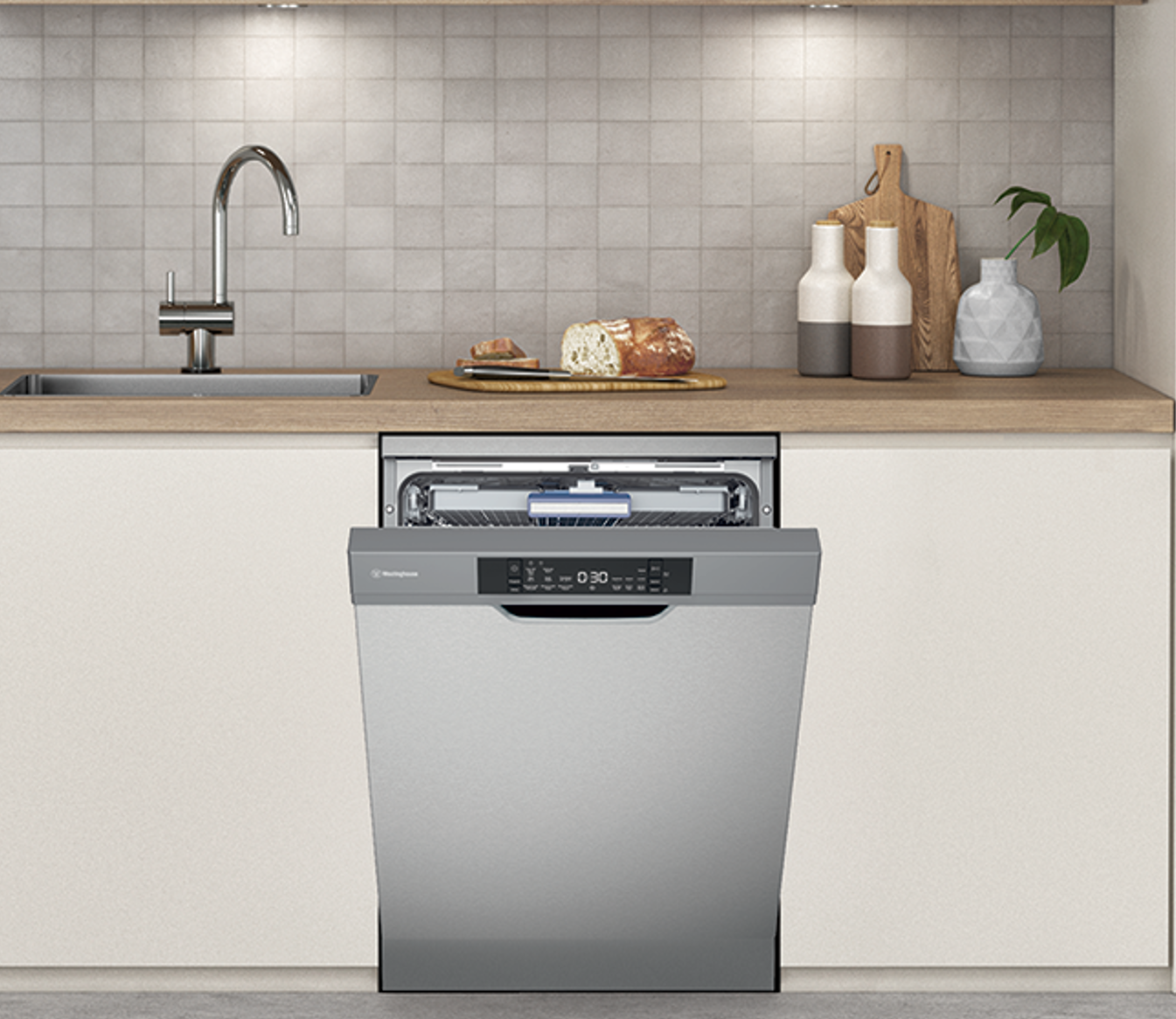
Top Freestanding Dishwashers
Dishdrawers
Dishdrawers and other compact dishwashers are great for smaller homes. Most dishdrawers are designed to take up less space, sometimes taking up as little room as a microwave would! For busier households, double dishdrawers are a flexible and versatile option as they allow different cycles to be run at once.
Shop Our Range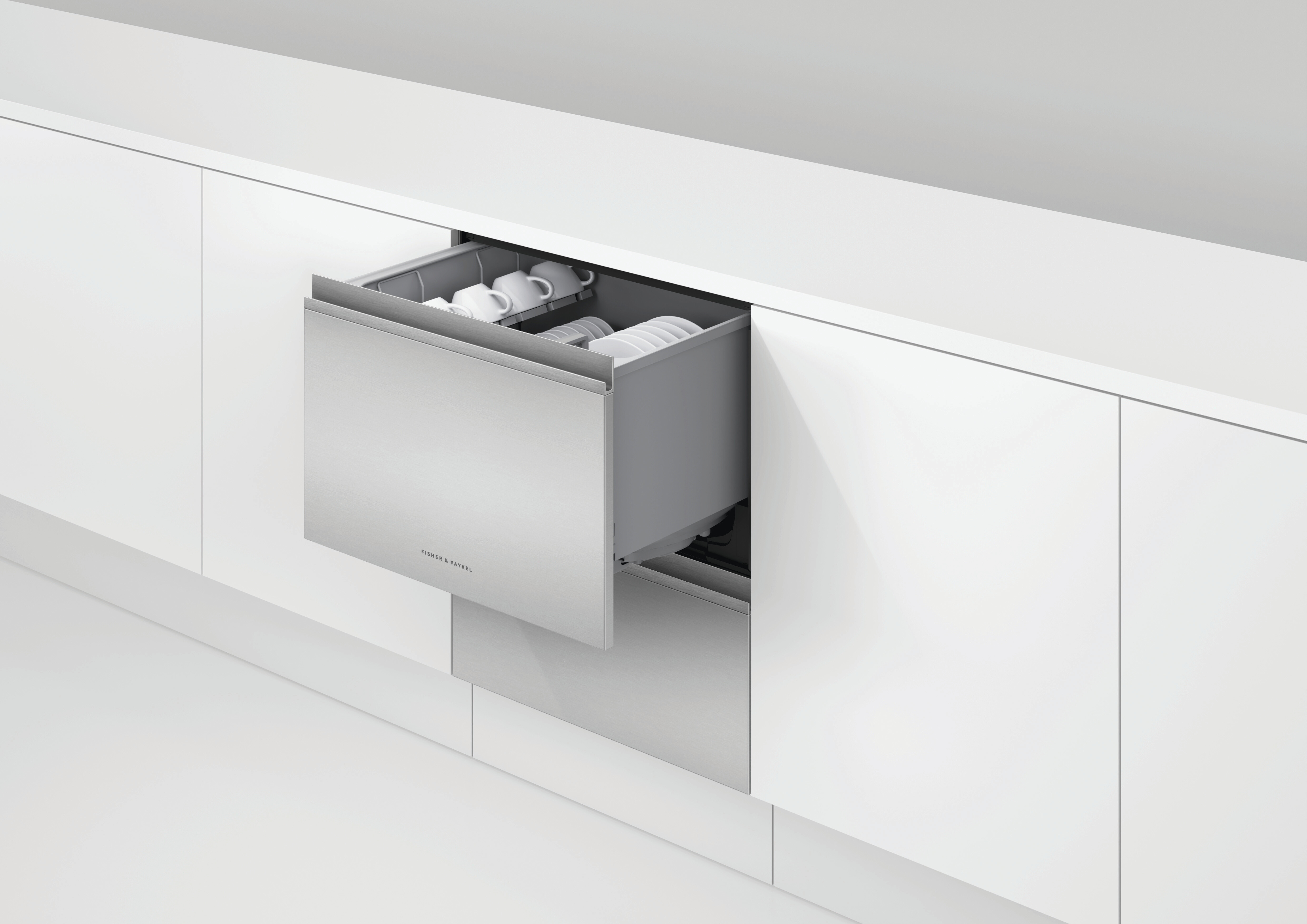
Top Dishdrawers
Fully Integrated Dishwashers
A fully integrated dishwasher is designed to look exactly like one of your kitchen cabinets. Unlike most modern dishwashers, fully integrated dishwashers have a control panel on the inside of their door - so when they’re closed, you won’t even know they’re there!
Shop Our Range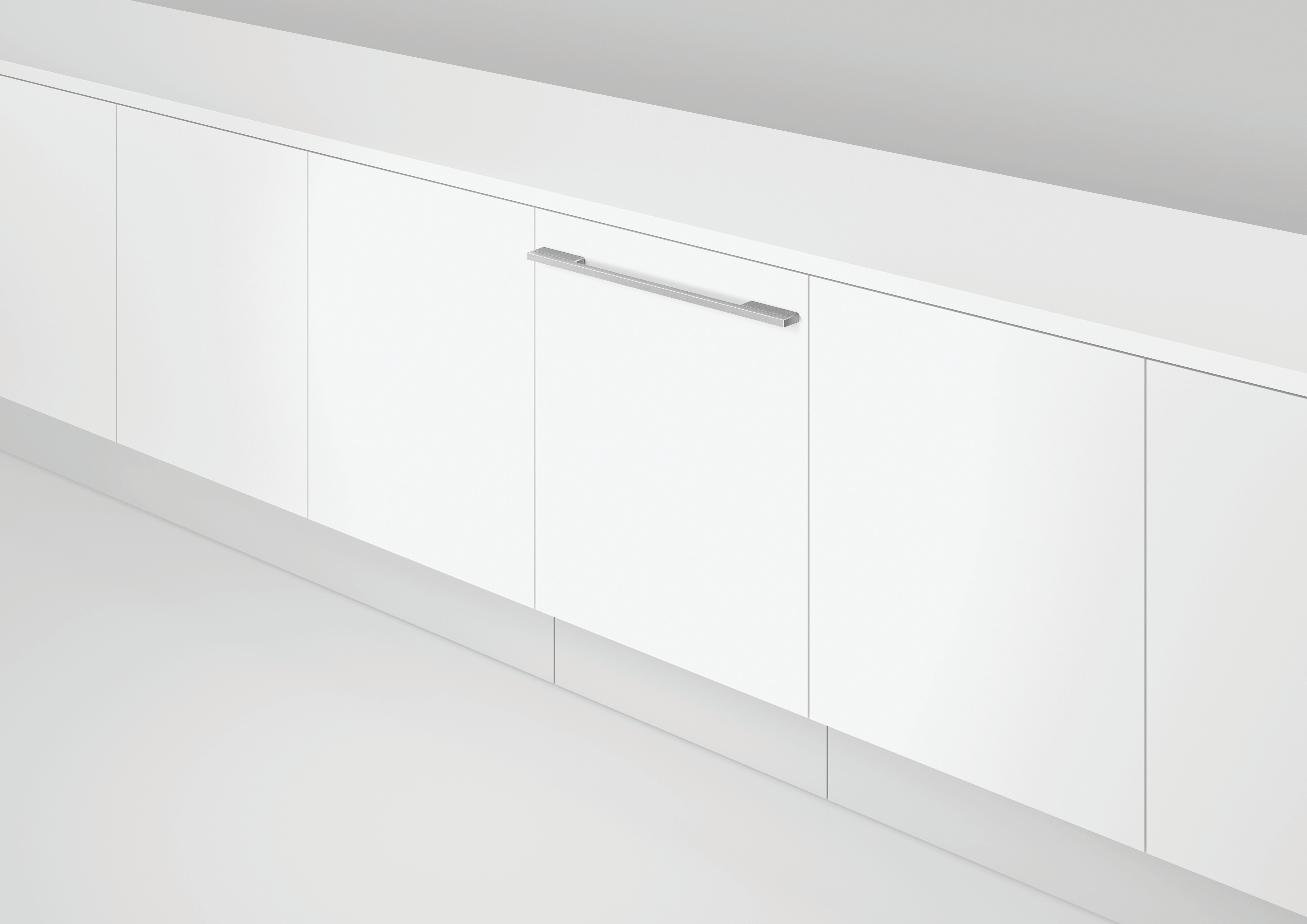
Top Fully Integrated Dishwashers
Semi Integrated Dishwashers
Semi integrated dishwashers are designed to be built in under your benchtop and are designed to match your kitchen cupboards, with the exception of a control panel. They’re great for achieving a seamless look in your kitchen.
Shop Our Range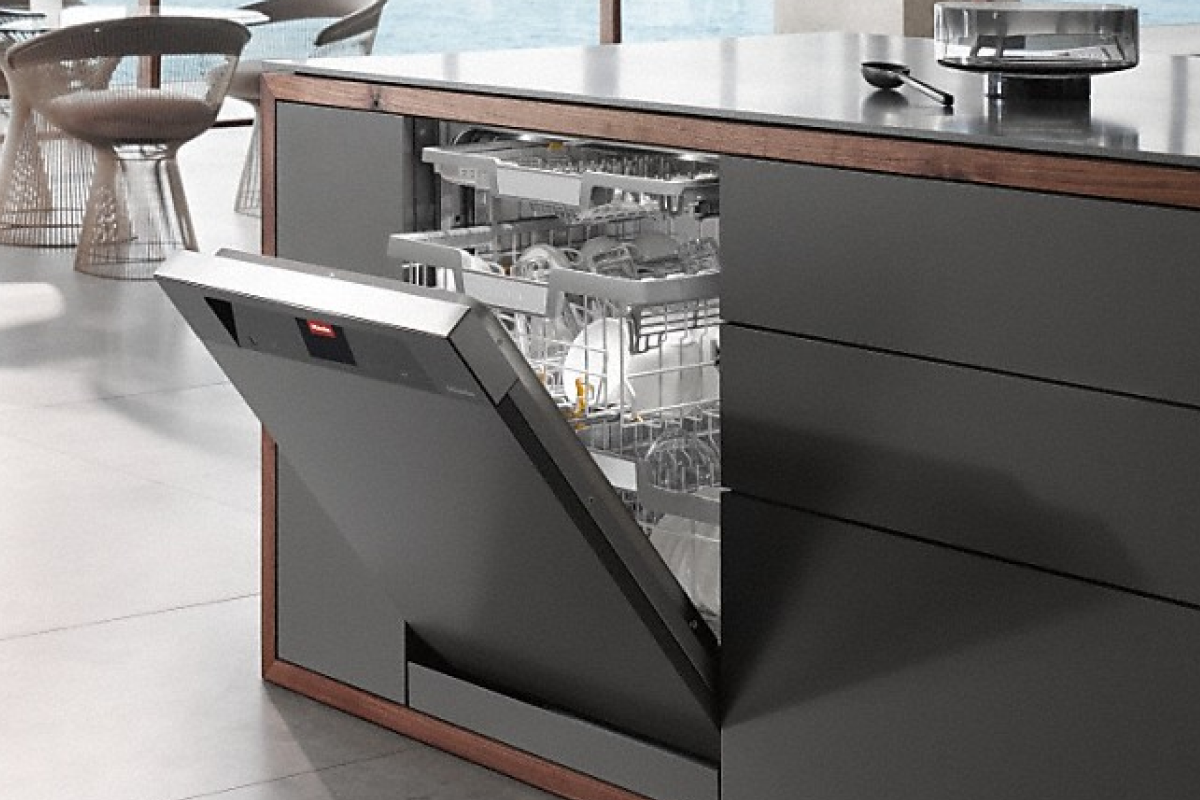
Top Semi Integrated Dishwashers
What To Consider
When choosing the perfect dishwasher, there are a few other things you should consider:
Capacity
When choosing a dishwasher, you should be careful to consider its load capacity. If you’re purchasing for a single person household, or don’t plan to use your dishwasher very often, you probably won’t need a big capacity dishwasher. If you’re buying for a busy household or a larger family, you’ll want to look for dishwasher with plenty of room for all your dishware and cutlery.
Efficiency
Dishwashers come with different water and energy efficiency ratings. If you’re looking to save money on your bills, look for a dishwasher with good ratings and keep your eye out for options with eco-wash settings.
Load times
How quickly will your new dishwasher finish a load? Some dishwasher will be quicker than others to complete their wash cycles. If getting the dishes done quickly is a priority for you, look for dishwasher with Quick Wash features.
Finish
Dishwashers come in a wide range of different finishes. Think about your style and the overall design of your kitchen when purchasing one. Do you need something in white, silver or matte black, or would you prefer an option that blends in with your cabinetry?
Features
When shopping for a dishwasher, you should also look out for other useful features, like anti-flood devices (which will help to prevent a puddle on your floor), adjustable dish racks or extra large tubs.
FAQs
A freestanding dishwasher is standalone and can be placed anywhere with access to water and drainage. It has a finished exterior and is easy to install and move, making it ideal for renters or flexible kitchen layouts. In contrast, a built-in dishwasher is installed under the kitchen counter and integrated with cabinetry. It offers a seamless look, requires professional installation, and is suitable for homeowners seeking a permanent kitchen fixture.
A dishwasher typically lasts between 7 to 12 years, depending on the brand, model, and how well it is maintained. Regular cleaning and proper use can help extend its lifespan.
If your dishwasher frequently needs repairs or isn't cleaning dishes effectively, it might be time to consider a replacement.
Dishwasher noise levels vary by model and typically range from about 45 to 50 decibels (dB) during operation. Quieter dishwashers may operate around 40 dB or less, similar to background noise in a library. Choosing a quieter dishwasher is beneficial for maintaining a peaceful kitchen environment, especially in open-plan layouts or noise-sensitive settings.
Modern dishwashers typically use between 3 to 4 gallons of water per cycle, which is significantly less than the 20 gallons used when washing dishes by hand. High-efficiency models use even less water, helping you save on water bills and reduce your environmental impact.
To compare the efficiency of different dishwashers, check out our handy Buying Guide.
Installing a freestanding dishwasher involves several steps.
· Ensure sufficient clearance near a water supply, drain, and electrical outlet.
· Attach the water inlet hose to the tap and secure the drain hose to the sink or a drain connection.
· Adjust the levelling feet until the dishwasher is stable and flush with the floor.
· Use brackets to secure the dishwasher to nearby cabinets or the floor to prevent tipping.
· Run a short cycle to check for leaks and ensure proper operation before regular use.
To ensure installation is without a hitch Retravision offers delivery and installation service for a fee.
First, check the bottom of the dishwasher for any visible debris that might be causing the clog, making sure to clean the filter and drain area.
If the problem persists, check the drain hose for kinks or blockages. You can also use a mixture of baking soda and vinegar, followed by hot water, to clear minor clogs.
You may need to consult a professional if these steps don't work.
Yes, to clean your dishwasher, start by removing and rinsing the filter to clear any trapped food particles and wipe down the door seals and interior with a damp cloth and a mild detergent.
Place a cup of white vinegar on the top rack and run a hot water cycle to remove grease and odours. For extra freshness, sprinkle baking soda on the bottom of the dishwasher and run a short hot cycle.
Choosing an under bench dishwasher offers a sleek and integrated look for your kitchen, blending seamlessly with cupboards to maintain a cohesive aesthetic.
They save valuable floor space making them a fantastic choice for kitchens with less available space.
An under bench dishwasher, also known as an under-counter dishwasher, is designed to be installed beneath a kitchen counter or bench top.
They integrates seamlessly into kitchen cabinetry, with the front panel visible for access to controls and loading.
The best dishwasher depends on your kitchen layout and your requirements. Built-in dishwashers are ideal for families, fitting seamlessly under the kitchen counter. Portable dishwashers are great for renters or homes with limited space, as they can be moved and connected to the sink when needed. Dish Draws, available in single or double-drawer designs, offer flexibility and are perfect for smaller loads, making them a great choice for small kitchens or homes that frequently run smaller loads.
For more information pop into your preferred store where our friendly team can help.
When choosing a dishwasher, consider the size and capacity to match your household needs. Look for energy efficiency ratings to save on utility bills and consider the noise ratings, particularly if you live in an open-plan home.
Check for additional features like adjustable racks, soil sensors, and smart connectivity that can enhance convenience and performance.
If you need help choosing check out our handy Dishwasher Buying Guide.
To move your dishwasher safely, first disconnect the water and power supplies and drain any remaining water from the hoses.
Use a dolly to lift and transport the dishwasher, securing the door and any moving parts with tape. Make sure to clear the path of obstacles to prevent any bumps or drops during the move.
A built in dishwasher is designed to sit under your benchtop, while a freestanding dishwasher is designed with a worktop, so it can sit next to your cabinets or other appliances.
Integrated dishwashers and semi integrated dishwashers are very similar, but the position of the control panel differs. With an integrated dishwasher, the control panel is located inside. Because there are no buttons or dials visible from the outside, an integrated dishwasher will look just like all of your other cabinets when it’s closed. A semi integrated dishwasher on the other hand has a control panel built onto the external fascia, so while it looks like one of your cabinets, it is distinguishable as an appliance.
A standard 24-inch dishwasher is ideal for families, providing ample space for daily dishes. An 18-inch compact model is suitable for smaller households or kitchens with limited space. Measure your kitchen carefully to ensure the dishwasher fits properly and leaves room for other appliances.
Choosing the right freestanding dishwasher depends on your household size, kitchen space, and preferences. Consider the capacity to match your daily dishwashing needs, energy efficiency for cost savings, and noise level for a quieter kitchen environment. Look for features like adjustable racks and specialised wash cycles that cater to your dishwashing habits.
A dishwasher can develop a smell due to trapped food particles, grease buildup, or standing water in the filter or drain.
Regularly cleaning the filter and running a cycle with vinegar or a dishwasher cleaner can help prevent odours. You can prolong the life of your dishwasher by rinsing dishes before loading.
View Similar Guides Below







Customer Service
Shopping Information
Tips & Advice
About Retravision
© Retravision 2026


