
.png)
The Ultimate 2026 Oven Buying Guide
An oven is usually one of the biggest ticket items that you will find in a kitchen, and typically one of the hardest working appliances in any home, so it’s well worth taking the time to do your research to find the right one.
In this modern age, there’s plenty to choose from. Today’s ovens can do much more than simply cook your food. Nowadays, you’ll find ovens that can do everything from perfectly steaming your veggies to cleaning themselves!
At Retravision, we stock a huge range of ovens from leading brands like AEG, Asko, Beko, Bosch, Chef, Electrolux, Fisher & Paykel, Haier, Miele, Neff, Omega and Smeg. So, to help you find the right option for your household, we’ve created this helpful oven buying guide. Read on below to learn about the different types of ovens available and the benefits and features they offer.

Fuel Source
When shopping for an oven, you’ll usually first need to determine whether you need a gas or electric model. If you’re buying for an established home, you might already have a gas connection in place. If you’re purchasing an oven for a new home, the decision may be up to you. Both gas and electric offer their own set of benefits and drawbacks, so the right option for you is a matter of personal preference.

Gas ovens
Gas ovens are often favoured by professional chefs because they heat quickly and provide even, consistent results. They’re ideal for roasting and frying, and can often be more efficient than their electric counterparts, but they require external venting so sometimes come at a higher cost. If your home does not have a gas connection, you’ll need to consider the additional cost of adding one to your home.

Electric ovens
Electric ovens are easy and convenient to install. They’re great for apartments and small homes because they don’t require a gas connection, and they often come at a lower cost. Most electric ovens will take a little bit longer to heat up, compared to gas ovens.
Types Of Ovens
Once you’ve chosen your fuel source, you’ll want to consider the layout of your kitchen, as well as your preferred style of cooking. There’s a huge variety of different ovens available on the market, so eliminating the types and sizes that won’t suit your kitchen is a good place to start if you’re trying to narrow down your options.
Freestanding Ovens
Freestanding ovens or cookers have always been a popular choice for kitchens that lack an oven wall cavity, and in recent years, they’ve become increasingly trendy. In spacious and modern kitchens, a large freestanding oven can be a showstopper. You’ll find that there are many variations out there to choose from, from gas and electric models, through to options with steam or pyrolytic technology. They also range in size, from compact 60cm options all the way through to extra wide 120cm cookers.
Shop Freestanding Ovens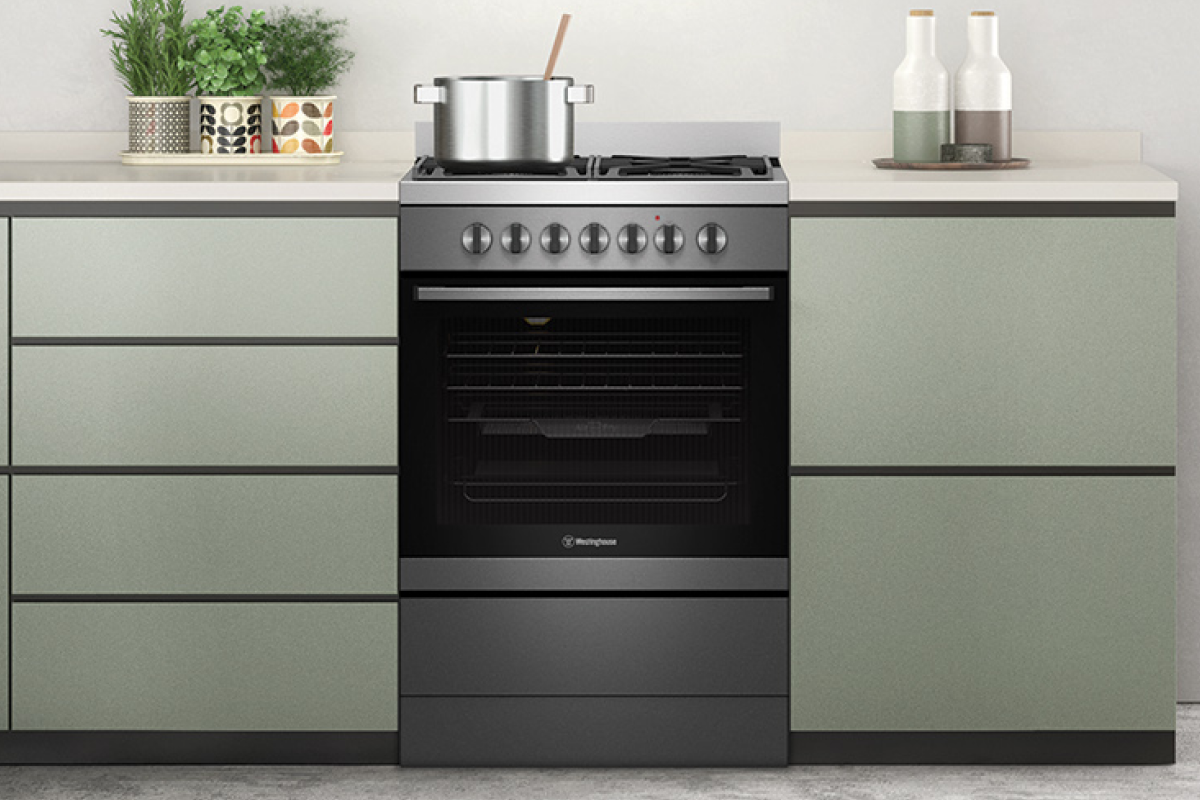
Top Freestanding Ovens
Built In Ovens
Built in ovens or wall ovens are a common sight in modern kitchens. They’re designed to fit in with your kitchen cabinetry and can even be installed at a height that will allow you to avoid bending or stooping while cooking. The most common sizes that you will find are 60cm, 70cm and 90cm gas or electric models.
Shop Built In Ovens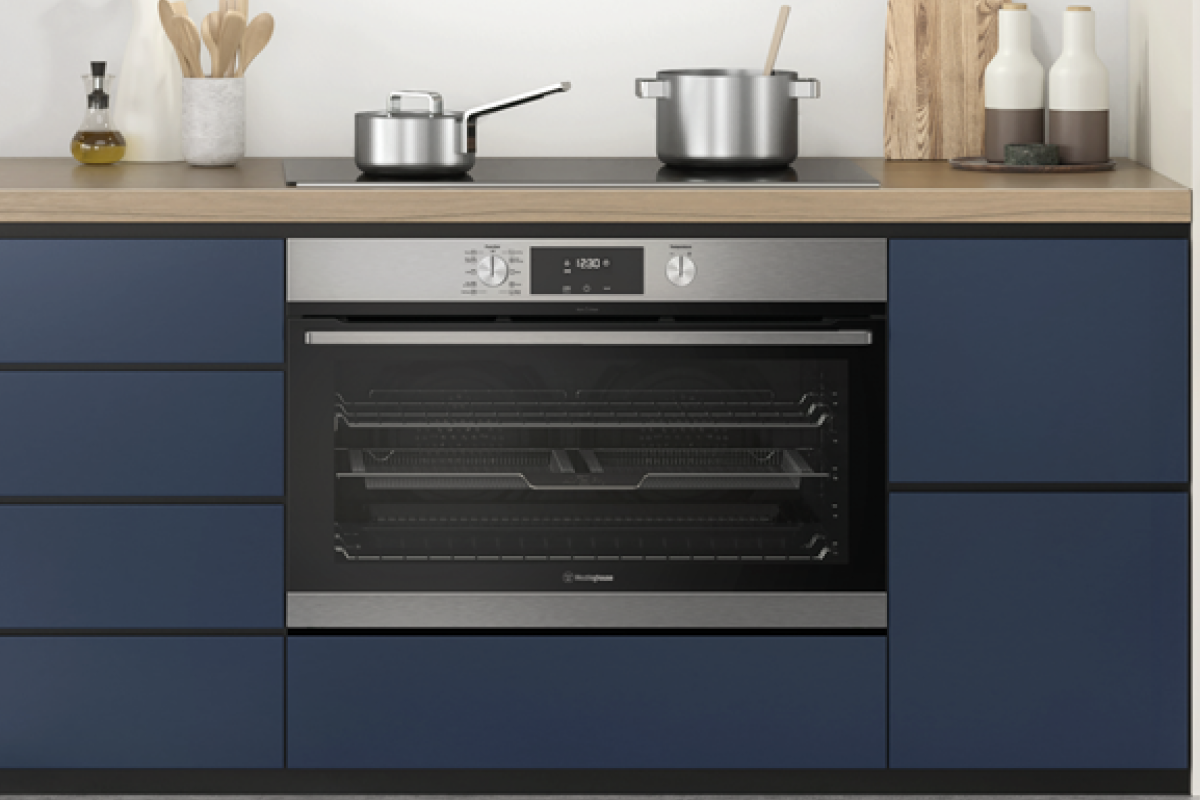
Top Built In Ovens
Double Ovens
A double oven is basically two ovens stacked on top of or beside each other. Each oven can be separately controlled, allowing you to cook different dishes at the same time. This is great for avid home chefs or big families, as it means you can do things like bake and grill simultaneously.
When choosing a double oven, the main thing you’ll need to decide on is which configuration best suits your needs. Some double ovens essentially offer you the space of two-full sized ovens, whilst others are designed with smaller secondary oven spaces. You should keep in mind that it can be a little more complicated to install a double oven over a single oven, as you’ll need to consider access for both ovens. You should also typically expect to spend more on a double oven than you would on a single oven.
Shop Double Ovens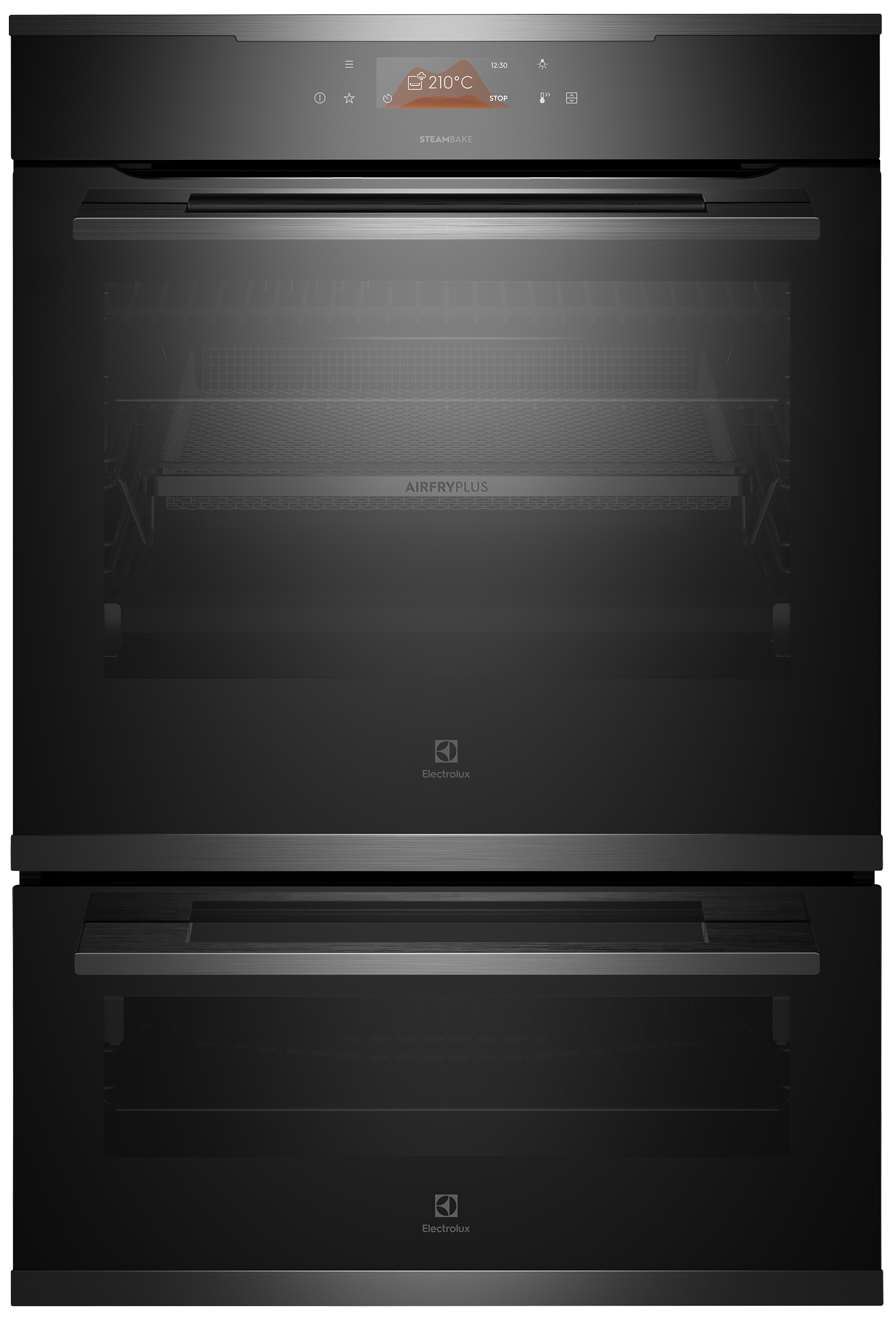
Top Double Ovens
Steam Ovens
Steam ovens are one of the newest innovations available in the kitchen. As their name suggests, they work by producing steam to cook your food. This is said to be healthier than cooking with a conventional oven because it helps to prevent nutrient loss. You’ll find plenty of standalone steam oven options available amongst our range, as well as ovens that combine both steam and convection technology to often give you multiple cooking settings.
Shop Steam Ovens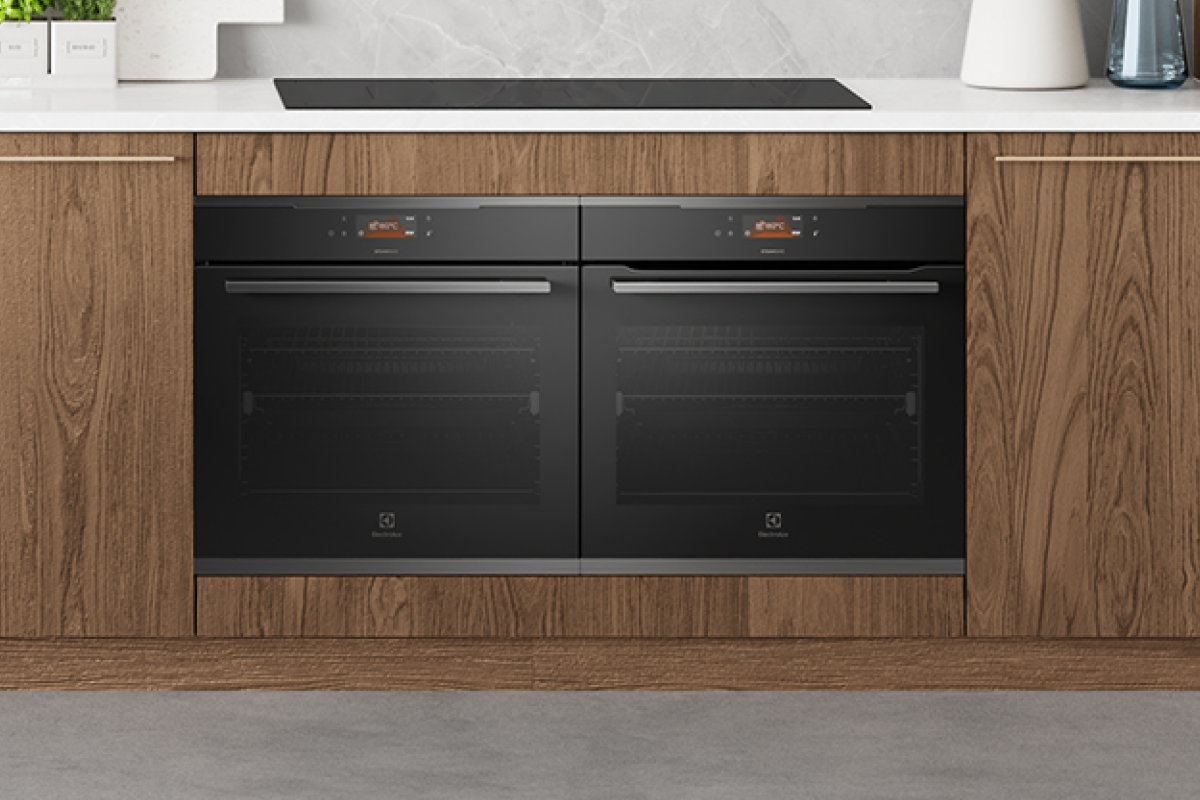
Top Steam Ovens
Pyrolytic Ovens
Pyrolytic ovens can be a big time saver in the kitchen. They’re designed to reach high temperatures, turning grime to dust so that it can be easily wiped up, so you spend much less time cleaning!
Shop Pyrolytic Ovens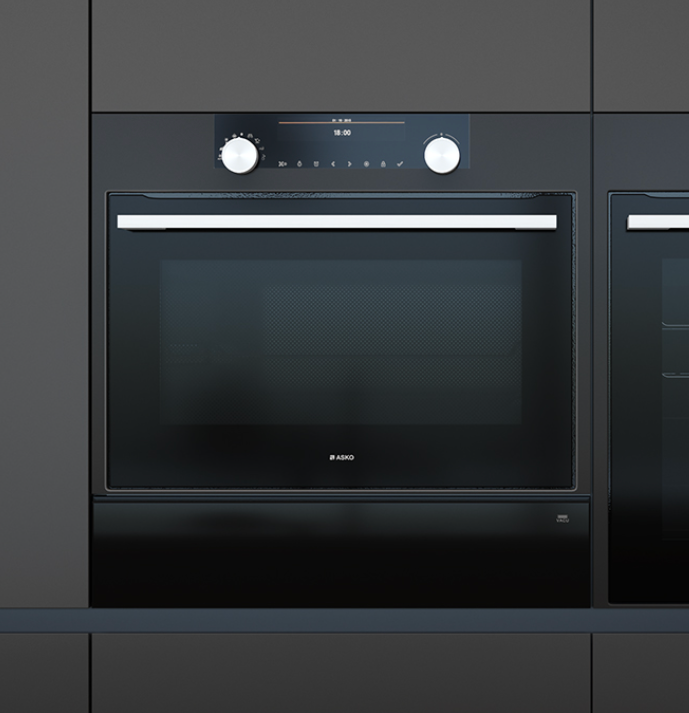
Top Pyrolytic Ovens
What To Consider
When shopping for the perfect oven, you should keep a few things in mind:
Kitchen layout
The layout of your kitchen will likely impact on the size and capacity of the oven you are able to choose. In some kitchens, you may find there is an existing cavity in place for an oven - you should be careful to measure the space before you purchase an oven.
Design and finishes
You’ll find that ovens come in a wide variety of different styles and finishes. Before you go shopping, consider your own personal style and what would suit your kitchen. Are you looking for something modern, or perhaps a more classic style? Would stainless steel or matte black suit your kitchen, or should you opt for white to match your other appliances?
Features
Ovens come with many different features, so you should consider what you need before you decide to bring a new one home. Most ovens will come with handy features like timers or different fan speeds, but you may also want to consider looking for ovens that offer features like different cooking pre-sets, touch controls or self-cleaning functions.
Warranty & servicing
When selecting an oven, make sure you check the length of the warranty that you will receive, as well as servicing and maintenance requirements. Some ovens will require a higher level of care than others and may cost more to maintain over time, so it’s important to be aware of what you need to do to keep it in good working order.
FAQs
Yes, coil stoves are typically powered by electricity. The electric current heats the coiled elements, which in turn transfers heat to the cookware.
Gas and electric ovens both come with their own set of pros and cons. Gas ovens are generally more energy efficient than electric ovens, and in some cases may heat more quickly, but they can come at a larger upfront cost and some homes cannot accommodate them. Safety may also be something that you want to take into consideration. In households with small children, an electric induction oven that stays cool to the touch may be preferable to a gas oven with an open flame.
In many contexts, the terms electric range and "electric stove" are used interchangeably. However, some may define a range as a combination of a cooktop and an oven, while a stove may refer to the cooktop section alone.
Single oven ranges feature one cooking compartment, providing all the features and applications you would expect - bake, grill, and sometimes convection settings. Double oven ranges consist of two separate cooking compartments, offering flexibility to use one oven to roast and the second to bake or grill simultaneously.
A pyrolytic oven self-cleans by using extremely high heat to burn off food residue. The frequency it needs to be used depends on how often you use your oven and the kind of cooking done. However, with general use, you can run the pyrolytic cleaning function roughly every few months.
A pyrolytic oven is safe. The oven doors automatically lock during the pyrolytic cycle, and the oven cools down before allowing the door to be unlocked. They are engineered to handle high heat used during the cleaning cycle.
Electric ovens are generally more consistent at heat distribution across the oven space, leading to evenly cooked food which is particularly beneficial for baking. However, gas ovens often heat up faster and are typically cheaper to run, although they might cook less evenly.
When buying an oven, you should focus on several factors. The capacity, or size of the oven, is essential depending on your family size or entertaining needs. Consider energy efficiency to save on utility bills. The type of oven is another significant consideration based on your cooking style and budget and this will determine your fuel type and whether it's built-in or freestanding.
A pyrolytic oven features a self-cleaning functionality. It uses high temperatures (typically over 400 degrees Celsius or 750 degrees Fahrenheit) to burn off food residues inside, reducing them to an easily removed ash.
Ovens come in several types. Gas ovens, renowned for their rapid heat and controllability. Electric ovens provide even heat distribution excellent for baking. Convection ovens combine heating elements and fans for rapid cooking, while steam ovens utilise steam to cook food, preserving nutrients.
To clean the inside of an oven, start by removing the oven racks. Create a baking soda paste by mixing a half-cup of baking soda with water. Apply the paste inside the oven and leave it overnight. Wipe out the oven with a damp cloth the next day and spray vinegar if necessary to remove residue.
For tough grease and stains, heavy duty oven cleaner can be used on select models. To see if this is suitable for your oven you'll need to consult the manufacturers instructions.
When looking for a new oven you should consider the fuel source, its size, the price and whether or not the oven is freestanding or built in. You’ll also want to look at factors like the oven's capacity, whether it has an internal or external grill and how wide the shelving is. Finally, you’ll want to take a look at the features it comes with; does it offer a self-cleaning function, different cooking settings, high temperature options? Make a list of must-haves in an oven as this will help you to find a suitable option.
The best type of oven for you and your household is totally dependent on your specific needs and cooking style. When choosing an oven, you should take into account whether your home has a gas connection point, the space you have available and your budget, as well as what is important to you - are you looking for something that will heat quickly? If so, you may consider gas over electric. Do you like to entertain, or are you usually only cooking for yourself? Big families and passionate bakers or home chefs may want to consider a large oven, or even a double oven, but if you’re usually only cooking smaller meals for one or two people, a smaller oven may suffice. If you need advice on which oven to choose, chat to us online or visit us in store - we’re always happy to help!
Electric ranges come in different types: freestanding ranges, for flexibility in installation, or slide-in ranges, which make the range appear built-in and custom to cabinetry. Also, there are drop-in ranges which fit into a predefined space.
View Similar Guides Below





Customer Service
Shopping Information
Tips & Advice
About Retravision
© Retravision 2026


