
The 2026 Guide To Buying The Best Heater & Electric Blanket In Australia!
A good heater can make all the difference in the world when the colder, winter months roll around. If you’ve ever spent a long, cold night shivering under a blanket, you’ll understand why home heating is important. The best heaters will keep you feeling warm and cozy, even on the chilliest days. But with so many different types of gas and electric heaters available, how do you choose the right heater for your home?
Retravision’s comprehensive buying guide compares all the options and features you’ll find available, so you can make the best decision for the space you’re trying to heat. Plus, you can always speak to our friendly team in-store and online for help finding the perfect heater to suit your home; we’re the experts in climate control systems!
Types Of Heaters
Fan, column, ceramic, gas, split-system - which type of heater is right for your home? At Retravision you’ll find a huge range of heaters on offer, from some of the world’s biggest brands like Delonghi, Dimplex, Excelair, Heller, Omega Altise, and Rinnai.
One of the first things you should think about when trying to decide what type of heater to buy, is whether or not you would like it to be gas or electric powered.
Electric heaters tend to be more portable and don’t need to be vented, so they’re suitable for enclosed areas. They are normally less expensive to purchase than gas options. Gas heaters on the other hand are available flued or unflued; flued heaters will need to be vented outside and are usually in-built, whilst unflued are usually portable and require proper ventilation. Many don’t require an electric power source so they can still be operated during a power outage.
Split System Air Conditioners
Split-system air conditioners are one of the most popular options for heating and cooling the home. They are often considered to be the most efficient electric heater - those with a good star rating generally require a lot less electrical energy input than other types of heaters. Split-system air conditioners are great for heating large spaces and are popular in Australian homes because they can be used for cooling in the summer.
Shop Our Range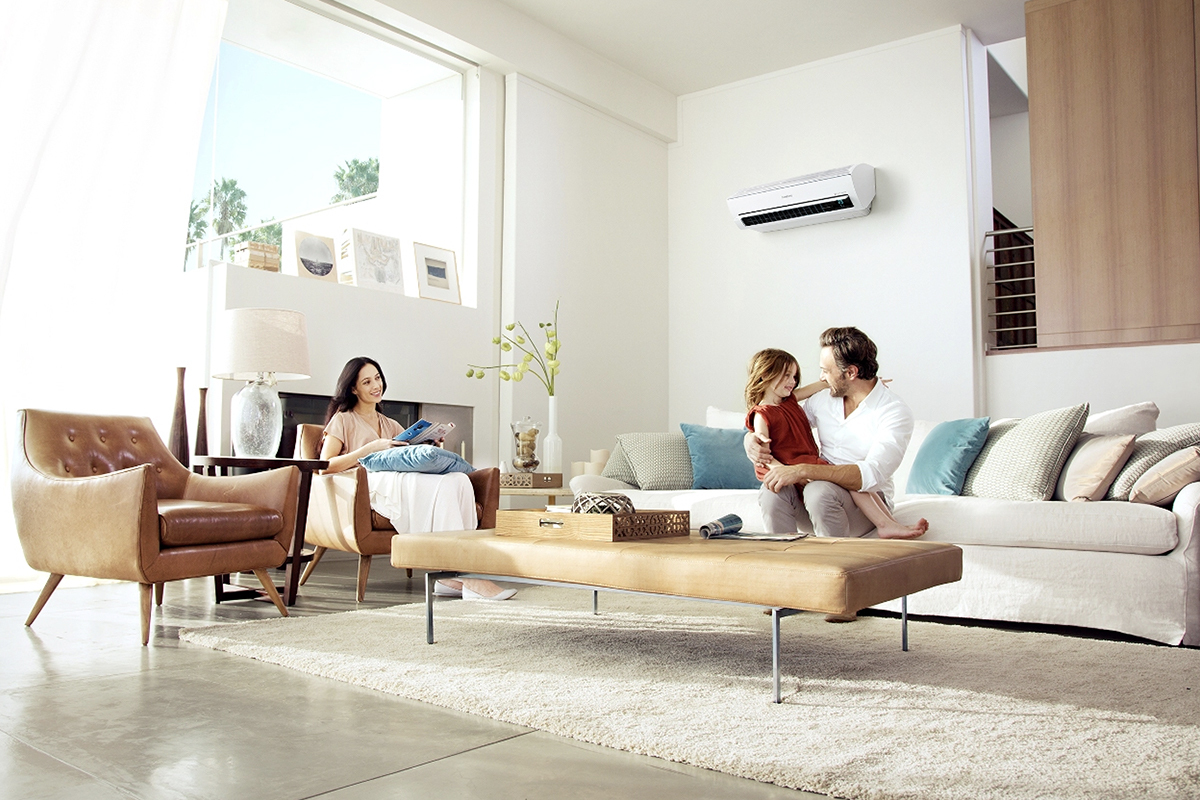
Top Split System Air Conditioners
Gas Heaters
Gas heaters are a great option for homes with a gas connection. They are known for being a great alternative to energy efficient electric heaters because they require little to no electricity to run. They are capable of heating large spaces effectively, and are often considered to be some of the best heaters for living room spaces. It is worth noting that there are two types - built-in systems which connect to a flue pipe which vents gas outside, and portable gas heaters which require ventilation. If you plan to use a portable gas heaters inside your home, make sure it’s in a large and well ventilated room.
Shop Our Range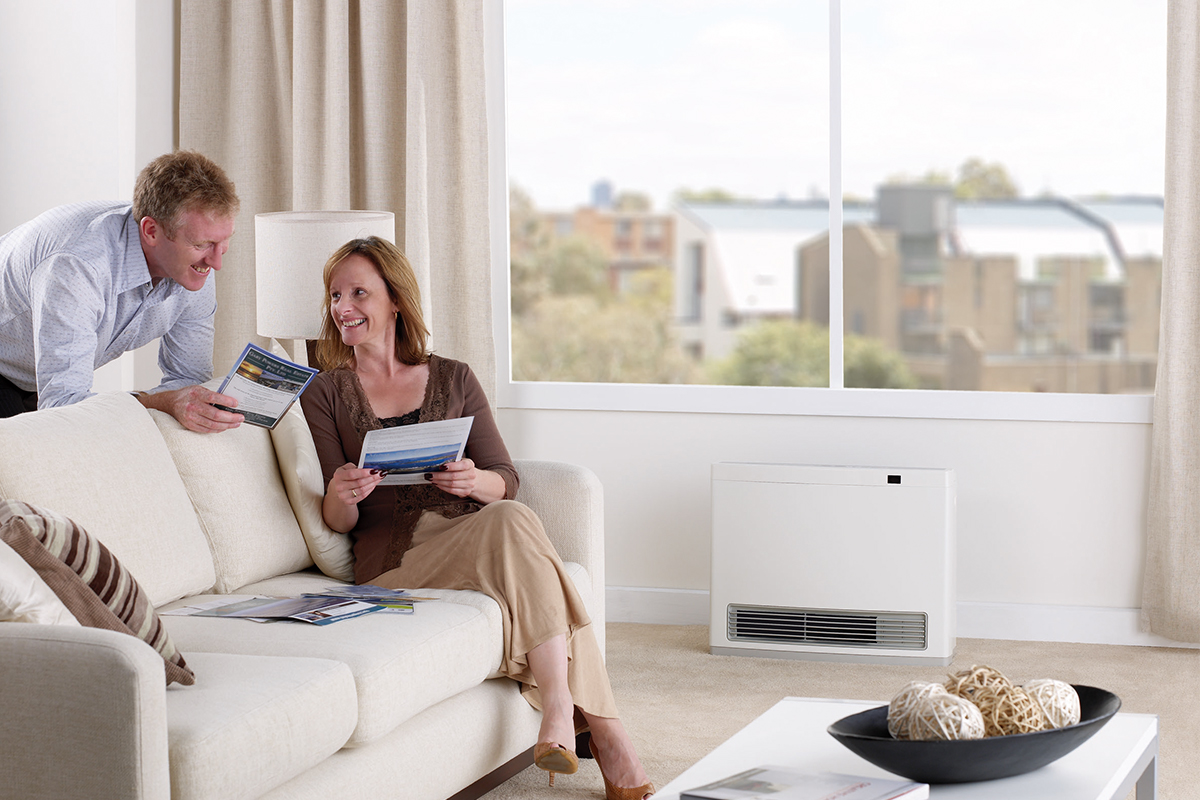
Top Gas Heaters
Electric Flame Heaters
Enjoy the warm glow and cozy feel of a fireplace without the hassle! Electric flame heaters mimic the look of a flickering flame at just the touch of a button, heating your home and eliminating the need for chopping wood or venting smoke! Perfect for living areas as opposed to bedrooms or small rooms.
Shop Our Range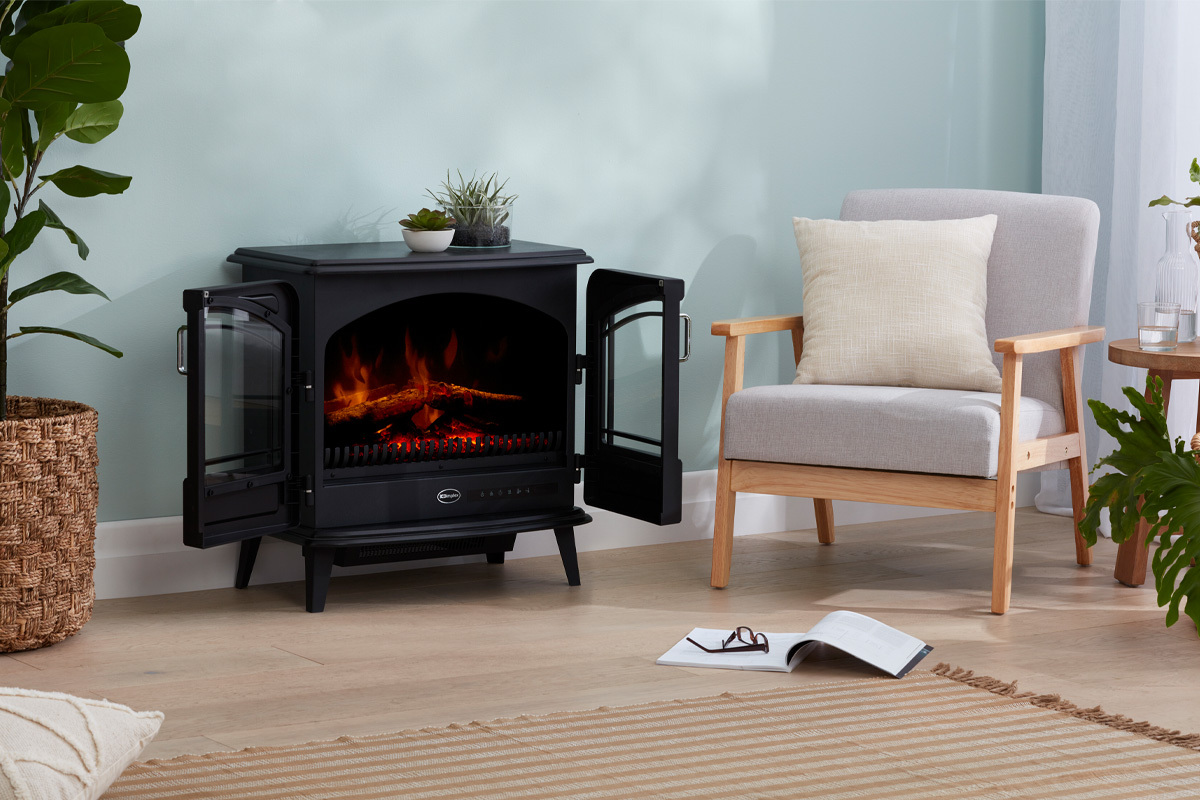
Top Electric Flame Heaters
Column Heaters
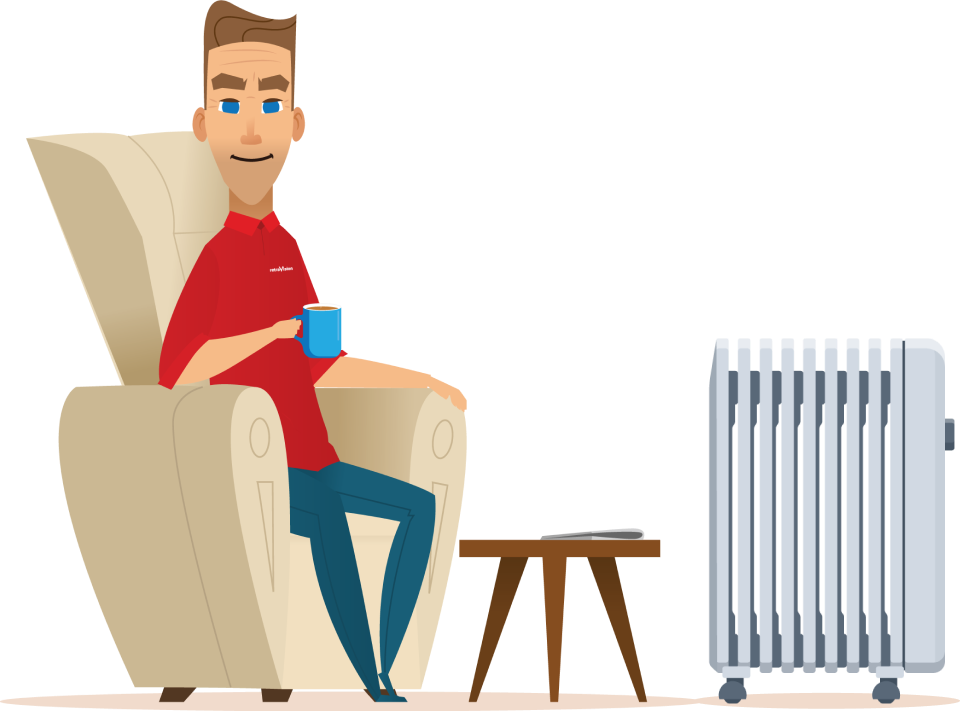
Column heaters are a great option for when you plan to run your heating all day or night. Oil free column heaters are the most common type and they’re great for bedrooms as they are usually quiet to run and portable. Oil heaters are often very efficient once they have heated up and are suitable for long periods of use.
Shop Our Range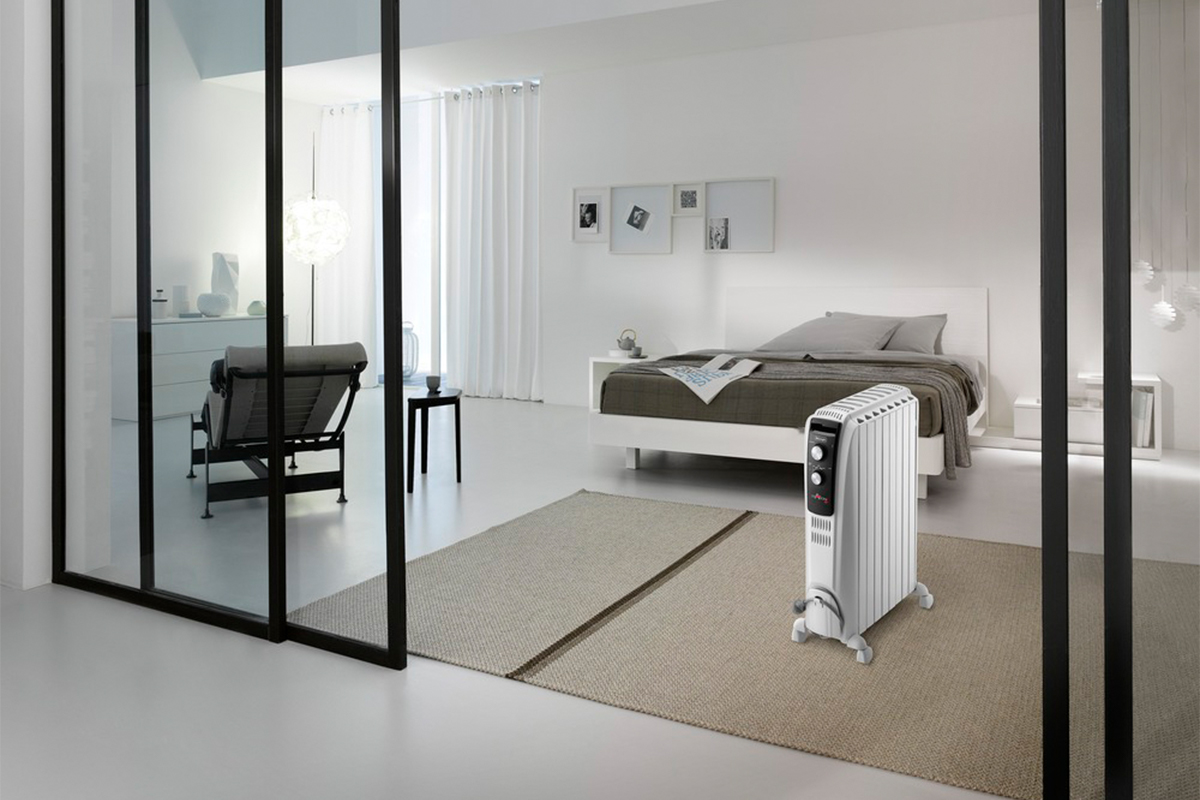
Top Column Heaters
Convection Heaters
Panel heaters or convection are an affordable option for heating your home. Designed to be compact, panel heaters are ideal for heating up smaller spaces or apartments. Most panel heaters are designed to be used either as a portable heater, or as a wall-mounted unit and use conventional heating to warm up a space.
Shop Our Range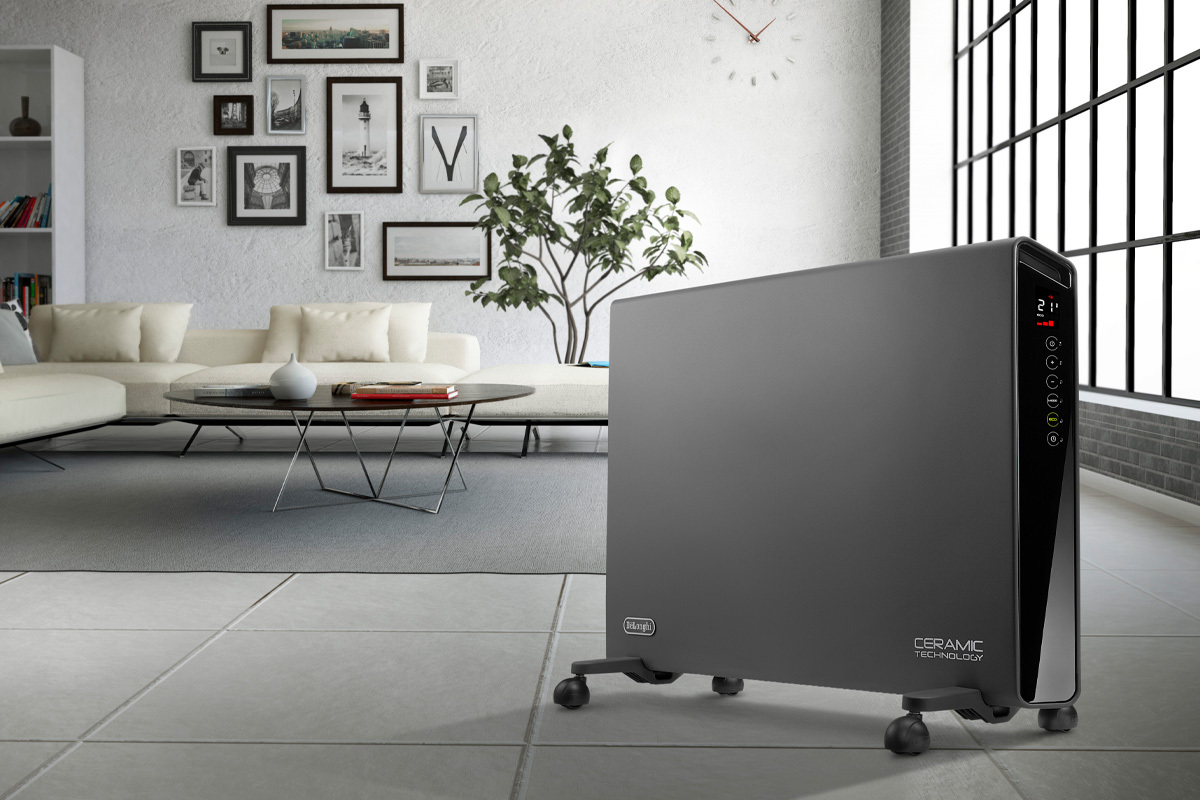
Top Convection Heaters
Ceramic Heaters
Ceramic heaters use a heating element behind a ceramic cover to heat spaces. They are designed to be portable and are great for small rooms, like the bedroom and considered to be a safer option for households with children. Many come with an oscillating function to help spread heat around the room.
Shop Our Range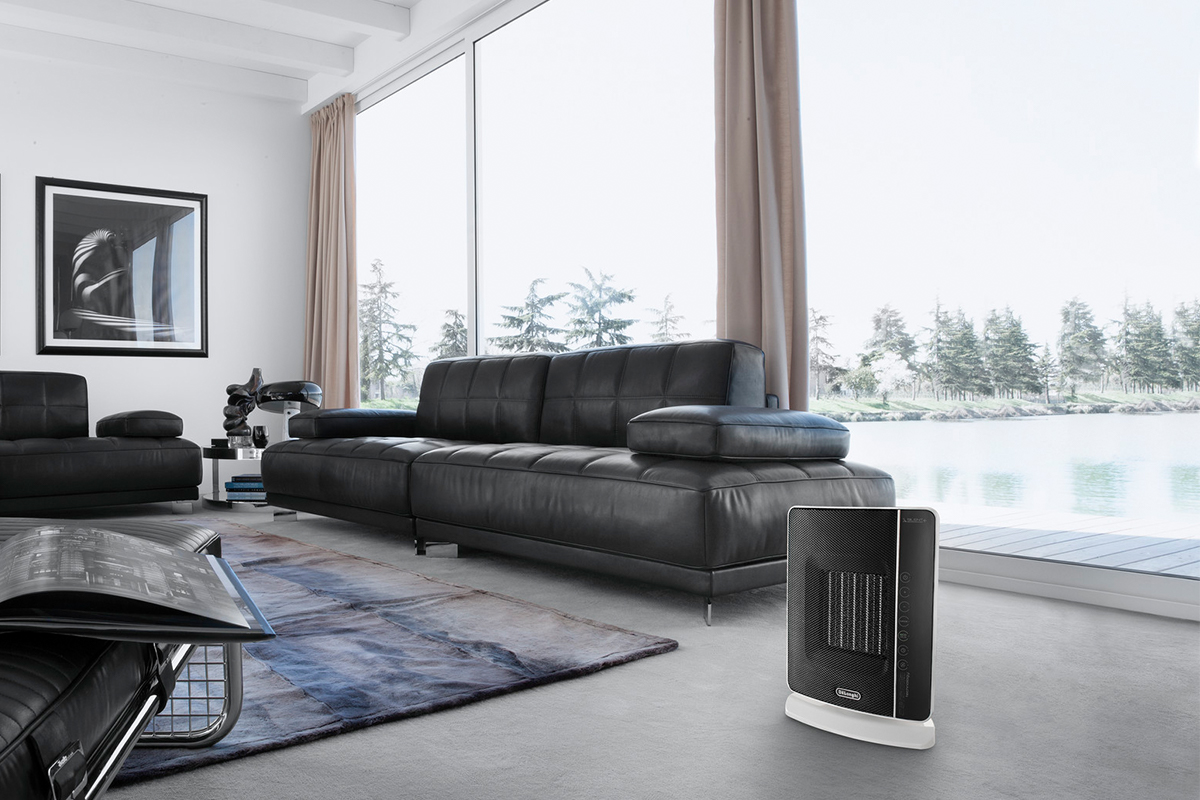
Top Ceramic Heaters
Fan Heaters
If you’re looking for the best portable heater for your home, then fan heaters are often considered to be a convenient, and very affordable option. Designed to be extremely compact, they’re usually very easy to move from room to room and use a heating coil to draw air inside and distribute heat around a room. They are ideal for smaller spaces or heating up a single room, often very lightweight and produce little to no noise.
Shop Our Range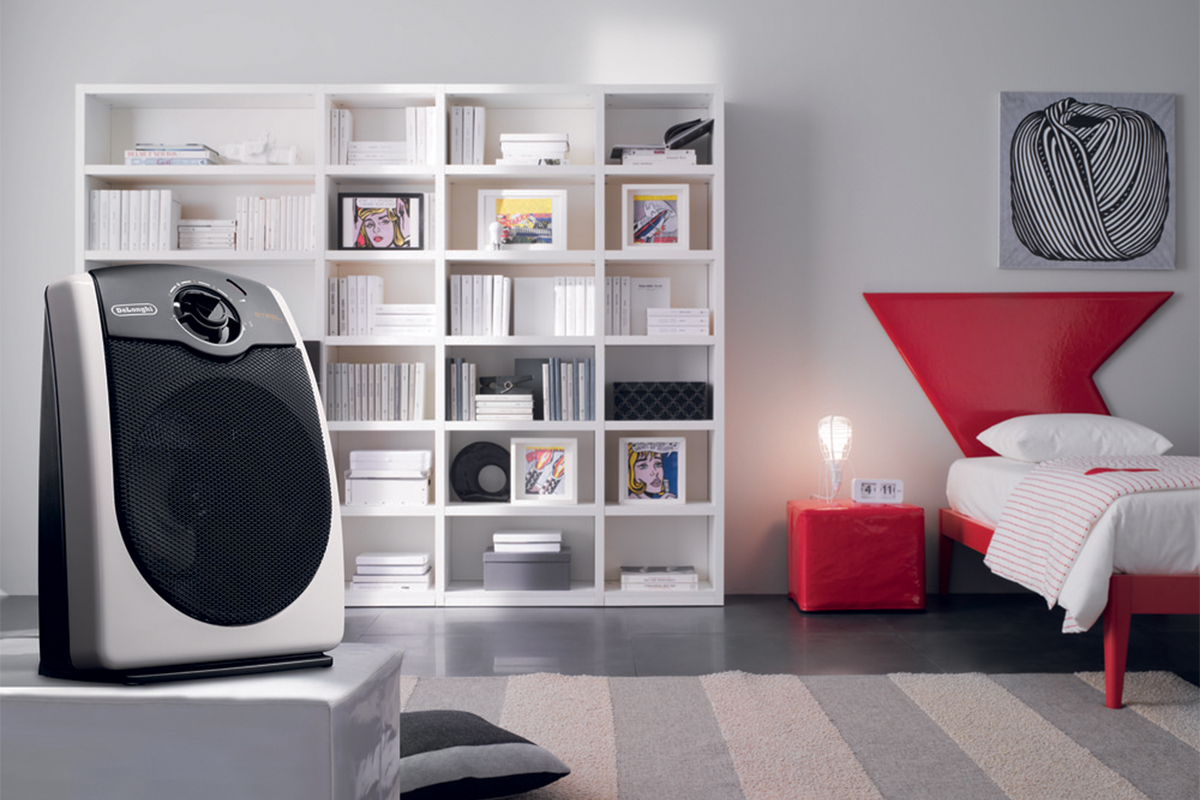
Top Fan Heaters
Electric Blankets
Electric blankets will keep you feeling warm and snug when you get into bed at night, or keep you comfortable on the couch. Electric blankets come in a variety of sizes and styles. Some are designed to go on your bed and can be used to warm your mattress up to comfortable temperatures on cold, winter nights. Other’s might be made from fleece and other materials and are perfect for keeping you warm in a cold, unheated room.
Shop Our Range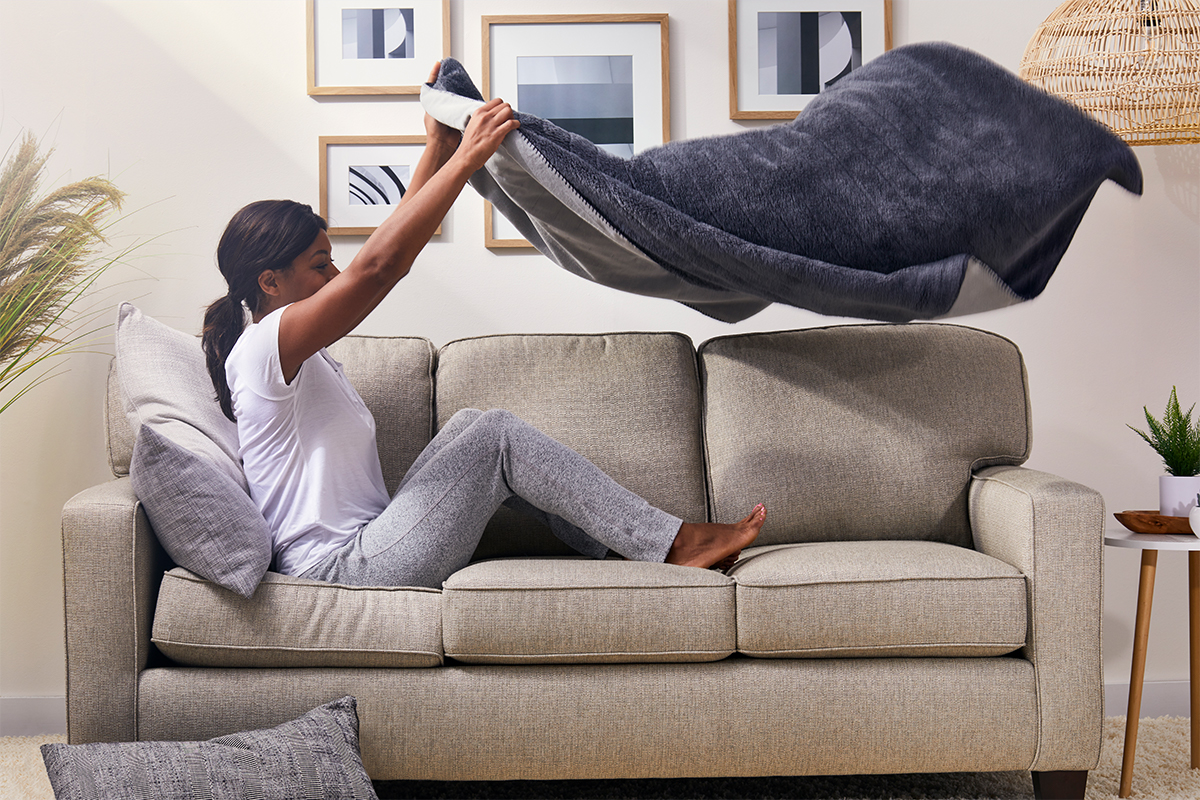
Top Electric Blankets
Heated Throw Blankets
Heated throw blankets are designed to keep you feeling warm and cozy on cold nights. Most are made from warm fleece materials and come in a variety of colours, sizes and styles to suit your home. They have a heating element sewn inside them and are designed for personal heating - so whilst they won’t keep your house warm, they’re great to snuggle up to on the couch while you’re watching a movie!
Shop Our Range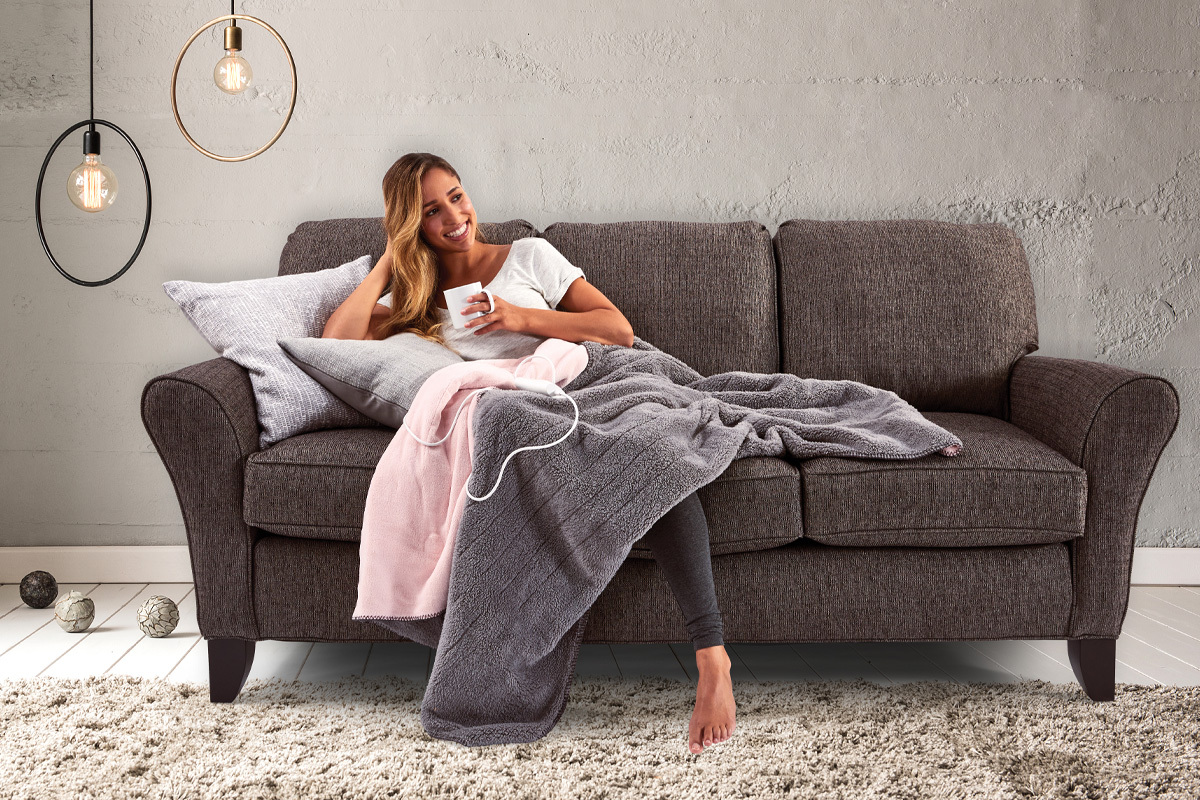
Top Heated Throw Blankets
Heat Pads
Heat pads are designed for personal warmth and comfort! They’re great for staying cozy on cold nights and can provide soothing pain relief in targeted areas. You’ll find heat pads suitable for warming up everything from your stomach and your back to your feet!
Shop Our Range
Top Heat Pads
What to consider
When comparing heaters there are a few key things to consider;
Room size
How large is the space you’re trying to heat? A small, portable heater will not be able to disperse heat effectively in a large room and may leave you shivering, but a heater that’s too big for the space will draw more energy than necessary and end up costing you more than you need to be paying on energy bills.
Heating speed
How fast does the heater heat up? Some heater, like oil column heaters will take much longer to heat up whilst others, like fan heaters will get hot straight away and start blowing heat. It’s worth thinking about how you want to use your heater - do you want to turn it on and heat up right away after getting home from work, or do you want to turn it on before bed and have it slowly warm up throughout the night?
Noise
Some heaters are noisier than others. It’s important to consider how you plan to use your heater - are you going to sleep with it overnight? If so a noisy fan heater or oscillating heater may not be the right choice for you. If you’re going to have it on for short periods throughout the day then a bit of noise may not be a problem at all!
Safety features
Some types of heaters can pose a safety risk if they are not used correctly. Both electric and gas heaters can pose a fire risk because they get hot! Certain types of heaters will be much hotter to the touch and won’t be safe within reach of children - if you have small kids consider out of the way systems like split-systems. Look for safety features like automatic shut-off and overheat protection mechanisms as these will turn your heater off in the event that it gets too hot or gets tipped over.
Cost
Cost is an important consideration when buying a heater. There are two factors to think about here; firstly the upfront cost of purchasing a unit, and secondly the running costs of your heater. Some heaters, like split-systems will require a larger upfront initial investment but will have lower running costs whilst others are very affordable to purchase but may noticeably increase your power bill. Fan heaters, gas and split-systems are usually cheaper to run than oil column heaters and ceramic heaters.
Installation
Some heaters, like split-systems and certain gas heaters, will require installation. This is something you should keep in mind as it’s an added extra cost and limits the portability of your heating system. If you’re looking for a heater that you can take from room to room, then portable models like fans or column heaters are likely the best option for you.
Energy efficiency
Some heaters are more energy efficient than others. If conserving energy is important to you then you’ll want to look at energy efficient systems like gas or split-system air conditioners, or look for ‘eco’ or low energy use settings on other types of heaters. You'll also want to make sure you choose the right type of heater for your space or environment. A small portable heater may need to work harder to heat a large space for instance and will consequently use more energy to achieve the same impact as a heater designed for bigger spaces.
Thermostat & features
What features does your heater come with? Some will come with adjustable thermostats, whilst others may only have a single heat setting. Other heaters may also include features like timers (great for bedrooms as you can set it to switch off after you fall asleep) and oscillation settings.
Safety tips
- Avoid placing heaters close to curtains, clothing or rugs as they could burn them or catch fire.
- Inspect heaters for any cracked, broken or frayed connections. If you see any sign of damage, do not use it.
- Ensure your smoke detectors are in proper working order.
- Don’t leave space heaters unattended whilst operating.
- Ensure that gas heaters are properly ventilated.

FAQs
Yes! Keeping your air conditioner clean ensures it runs efficiently and lasts longer. Here are a few simple maintenance tips:
Dust and dirt build-up can restrict airflow, so it’s best to clean or replace filters every few weeks during peak usage.
If you have a split system, make sure the external unit is free from leaves, dirt, or obstructions to maintain proper airflow.
To keep everything in top shape, it’s a good idea to have your air conditioner serviced professionally once a year.
Always check the manufacturer's guidelines for specific cleaning recommendations.
Column heaters can be a little more costly to run if used continuously, especially compared to more modern heating options. This is because they take longer to heat up and often run for extended periods to maintain warmth. However, once the room is warm, they retain heat well, which means they can continue to radiate warmth even after being turned off. They can still be a practical option for occasional use in smaller room.
Fan heaters can be more expensive to run than other types of heaters, particularly when used for extended periods. They draw a significant amount of electricity to generate heat quickly and rely on a fan to distribute warm air. While they’re great for short bursts of warmth in small areas, they’re not the most energy-efficient option for long-term or large space heating. If you're looking to reduce running costs, consider using them only when needed or explore more efficient alternatives, such as column heaters or gas heaters.
Fan heaters are generally safe when used correctly and maintained properly. Look for models with built-in safety features like overheat protection and automatic shut-off if tipped over. Always place them on a flat, stable surface, away from furniture, curtains, or other flammable materials. It's also important not to leave them running unattended, especially while sleeping or out of the room.
Unflued gas heaters release combustion gases into the room, which can impact indoor air quality if the space is not well-ventilated. This may include an increase in carbon dioxide, nitrogen dioxide, and moisture, all of which can be harmful at high levels. To minimise risks, it’s essential to follow the manufacturer's ventilation recommendations, avoid using heaters in small or enclosed rooms, and always choose models that meet Australian safety standards for indoor use.
The running costs of a gas heater are dependent on gas prices and heater efficiency. They are often cheaper to run than electric heaters, especially for large spaces or frequent use.
Yes, many gas heaters are specifically designed for safe indoor use, especially flued models that vent exhaust gases outside. When choosing a gas heater, look for units certified by the Australian Gas Association (AGA) or meeting relevant AS/NZS safety standards. Proper installation by a licensed professional is crucial, as is regular maintenance and adequate ventilation. Following these steps ensures safe operation and peace of mind while keeping your home warm.
Gas heaters are safe when used correctly and serviced regularly. Look for models with safety features like oxygen depletion sensors and automatic shut-off functions for added peace of mind.
Heaters are usually considered to be very safe for your health, and will keep the winter chill away but for some people with allergies, respiratory issues and sensitive skin, heaters can cause problems. Heaters remove moisture from the air which can cause skin to feel dry and may lead to itchiness or a rash. It can also dry out the nasal passages which can cause nose bleeds. For some people, fans or convection settings can cause trouble for those who have allergies or asthma but for the most part they are very safe. It is important to remember that they get hot! It’s always essential to exercise caution to avoid the risk of burns. Those with gas heaters will want to make sure they are serviced regularly and ventilated properly. Leaking gas or poorly ventilated rooms can be a serious danger to your health. As long as you follow the correct safety directions of your heating unit, you’ll find they are very safe.
Yes, oil column heaters are energy-efficient for consistent, long-term heating. They don't cycle on and off as frequently as other heating types and maintain heat longer, reducing overall energy use and bills!
Oil column heaters are generally more affordable to run for longer periods, especially in well-insulated rooms. They use less electricity than fan heaters but can often take longer to warm up.
Oil filled heaters can be very cheap to run in smaller spaces, like bedrooms. They are designed to use full power when first switched on, but will switch off their heating element once the space around them has warmed up. In a space like a bedroom, they can be very cost-effective and keep the temperature at a warm, consistent level.
Split-systems are generally considered to be the cheapest type of electric heater to run, although that will depend on factors like the size of your unit, its energy efficiency rating, the temperature you set it to, how long you operate it for and the electricity tariffs you are subject to.
Yes, fan heaters typically use a high wattage to deliver quick heat. A standard unit often draws around 2000 watts, which can result in noticeable power consumption, especially if left running for long stretches. They're ideal for fast heat in a pinch, but for daily use, more efficient options like oil column heaters may be more cost-effective over time.
Oil heaters are relatively simple - they use a heating element to heat oil which warms and radiates heat around a room. They can be quite energy efficient in the right settings, but are known to consume more energy than other types of electric heaters, like split-systems. Most oil column heaters will be around 1500 watts, although some come with low energy settings. Whilst they are heating and the heating element is in use, they will consume energy. As the temperature climbs and gets warmer, the element will switch off. In a cold, drafty room, the temperature may fall more quickly and the thermostat in the heater will tell the element to switch back on in order to heat up the room - this will consume a lot more energy. To keep energy bills to a minimum, they are best used in smaller rooms where there is less air movement.
Gas heaters burn natural gas or LPG to generate heat. The flame heats the air, which is then circulated through the room, either by natural convection or a built-in fan.
Oil column heaters work by heating the oil sealed within the unit. The oil circulates through the columns, radiating heat evenly into the room. They're quiet and ideal for steady background warmth.
Installing a split system air conditioner involves mounting the indoor unit, placing the outdoor compressor, and connecting them via refrigerant pipes and electrical wiring. This process requires a licensed technician to ensure proper installation, gas handling and system efficiency. DIY installation is not recommended due to safety and warranty concerns.
To reset a Fujitsu split system air conditioner, turn off the unit using the remote control, then switch off the power at the isolation switch or circuit breaker. Wait a few minutes, then turn it back on. This can help clear minor faults. If the error persists, refer to the manual or contact a licensed technician for servicing.
Installation costs for split system air conditioners in Australia typically range from $600 to $1,200, depending on the complexity of the job, the type of wall or home structure, and how far the indoor and outdoor units are apart. Always use a licensed installer to ensure safety and compliance with Australian standards.
Energy consumption depends on the type, size, and efficiency of the unit, as well as how often it’s used. Models with higher energy star ratings are designed to use less power while still keeping your space cool. To cut down on running costs, look for features like eco-mode, timers, and inverter technology, which helps regulate power use more efficiently.
Depending on the installer and your home's layout, installing a split-system air conditioner can cost anywhere from $600 to over $1,200. This includes labour, basic materials, and electrical work. Some retailers may offer package deals that include installation with the purchase of select models.
A split system air conditioner has two main components: an indoor unit mounted on a wall and an outdoor compressor unit. They work together to cool or heat your space efficiently, making them ideal for living rooms, bedrooms and open-plan areas. Many models include reverse cycle technology, allowing for year-round comfort.
The best heaters for large, open spaces are those that are powerful enough to distribute heat evenly across the space. That means you’ll want to consider either a gas heater or a split-system air conditioner. Gas heaters are well known for their powerful radiant ability and can cover even more space when paired with a fan to help spread heat across the room. Split-system air conditioning is designed to blow hot air into a room and so they’re great for an open plan layout. Another option for smaller living areas is electric flame heaters which look like a fireplace and can bring a warm atmosphere to a space.
The best heaters for bedrooms are often said to be oil column heaters. They’re compact, quiet and affordable and great for retaining heat and keeping a room warm for many hours. Alternatively a quiet fan heater, panel heater or ceramic heater can also be a great option for a bedroom space.
Gas and reverse cycle heaters are usually the cheapest (and most energy efficient) systems to use in the long run. Split-systems are capable of evenly distributing air evenly throughout spaces large and small and have the added benefit of cooling in the summer. Gas heaters will use your gas connection to heat up and can help you save on energy costs.
Most air conditioners come with warranties ranging from 1 to 5 years, depending on the brand and model. Some manufacturers offer extended warranties on certain parts, such as compressors. It’s always a good idea to check the warranty details before purchasing to understand what’s covered.
Getting the right size air conditioner is crucial for both comfort and efficiency. Here’s a general guide based on room size:
Up to 20 m² – 2 to 2.5 kW
20–40 m² – 2.5 to 5 kW
40–60 m² – 4 to 6 kW
60–80 m² – 5 to 7 kW
80+ m² – 6 to 9 kW
However, other factors like ceiling height, insulation, and sunlight exposure can affect cooling needs. For a more precise recommendation, visit our Air Conditioner Buying Guide.
There are several types of air conditioners, each designed to suit different spaces and needs:
Split System Air Conditioners are a popular choice for cooling and heating individual rooms, split systems consist of an indoor unit and an outdoor compressor. They’re efficient, quiet, and great for year-round comfort.
Window/Wall Air Conditioners are compact, all-in-one units that fit into a window or wall cavity. They’re an affordable cooling solution for single rooms.
Portable Air Conditioners are ideal for renters or those needing a flexible cooling option, these units can be moved from room to room without installation.
Evaporative Coolers use water evaporation to cool the air, making them a more energy-efficient and eco-friendly option for dry climates.
Not sure which one suits you best? Check out our Air Conditioner Buying Guide.
The best air conditioner for you depends on your needs and living situation:
Need to cool or heat a single room? A split system or window air conditioner is a great choice.
Living in a rental? A portable air conditioner is your best bet, as it doesn’t require installation.
Looking for an energy-efficient option? Evaporative coolers use less electricity and work well in dry climates.
Need whole-home cooling? A ducted system provides seamless temperature control across multiple rooms.
If you’re unsure, our Air Conditioner Buying Guide has all the details to help you decide.
Gas and split-system air conditioners are generally considered to have the cheapest running costs. Gas heaters usually require little to no electricity and run on natural or LPG gas. Split-system air conditioners are the most energy efficient type of electric heater and many with higher star ratings will have cheaper running costs than their gas counterparts.
Only licensed gas fitters or certified heating technicians should service or repair a gas heater. These professionals are trained to detect faults, clean components, and ensure your unit operates safely and efficiently. Regular servicing, ideally once a year, is key to preventing gas leaks, improving energy efficiency, and extending the life of your heater. You should never attempt DIY maintenance on a gas appliance, as it can void warranties and pose serious safety risks.
View Similar Guides Below
Air-Conditioning Buying Guide
View the Guide
Bluetooth Speakers Buying Guide
View the Guide




Customer Service
Shopping Information
Tips & Advice
About Retravision
© Retravision 2026


